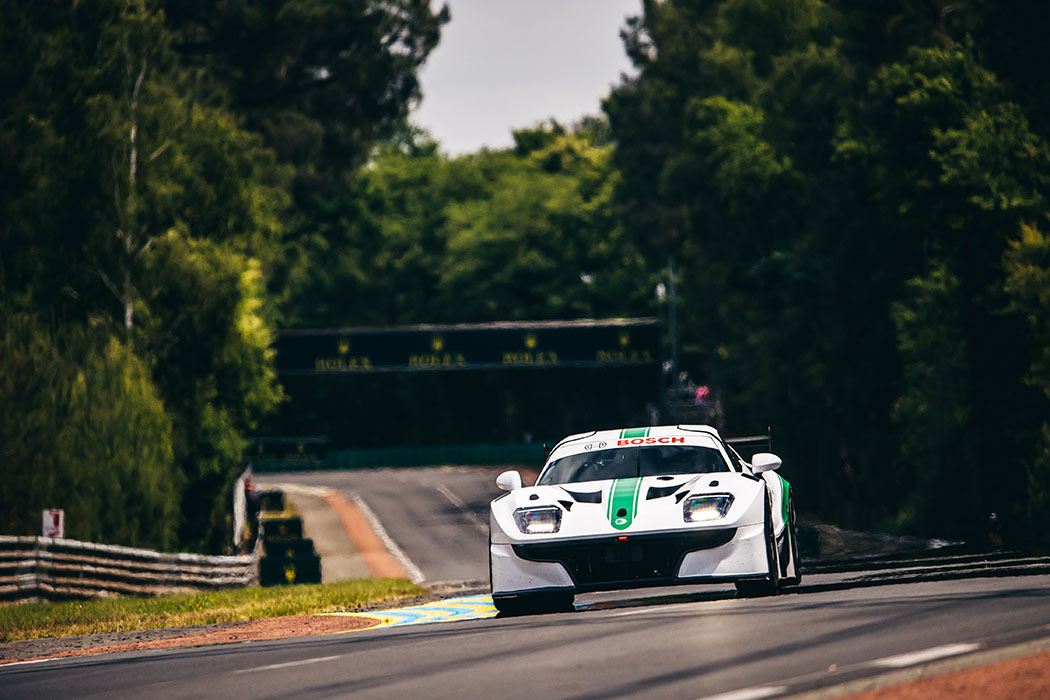
Le Mans Hydrogen Village: Ligier Automotive, Bosch and Maserati United Around the Ligier JS2 RH2
On the occasion of the 24 Hours of Le Mans, Ligier Automotive continues its commitment to alternative powertrains with the Ligier JS2 RH2, developed in partnership with Bosch Engineering and featuring an engine platform derived from Maserati.
This project embodies a unique convergence of technological heritage and innovation, serving more sustainable mobility applied to motorsport.
A High-Performance Engine Platform Adapted for Hydrogen
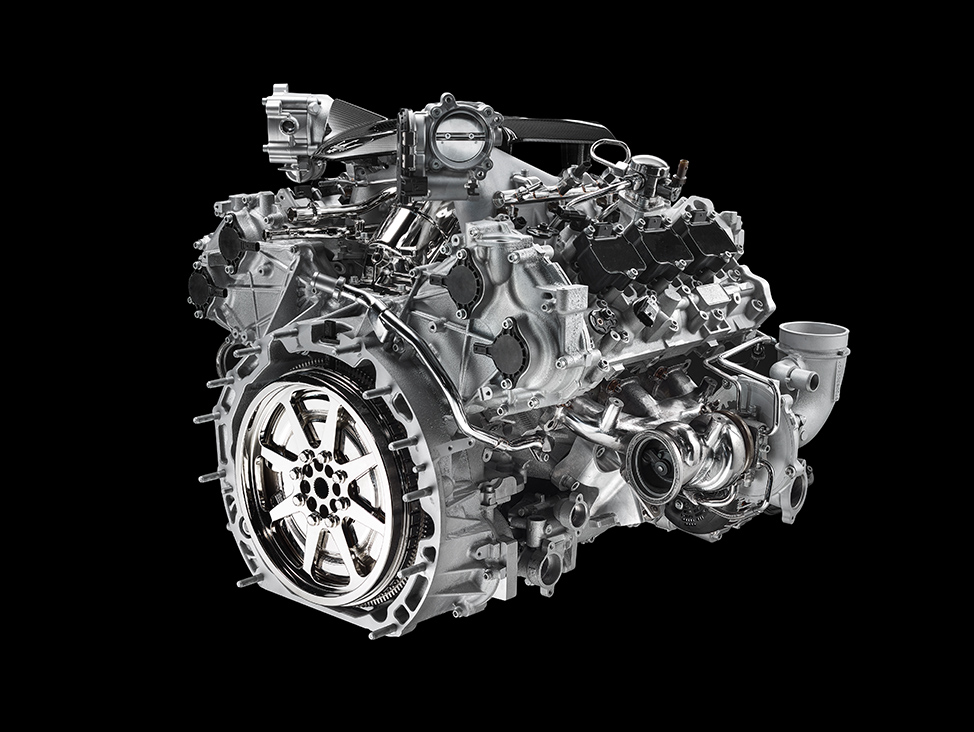
The powertrain of the Ligier JS2 RH2 is based on the Maserati Nettuno engine, a 3.0-liter twin-turbo V6 originally designed for gasoline operation.
As part of its conversion to hydrogen, the engine's core components — including the base architecture, cylinder head, and turbochargers — have been retained, while the injection, ignition, and engine management systems have been extensively re-engineered.
The system now relies on next-generation hydrogen direct injection developed by Bosch Engineering, enabling high performance levels of approximately 480 kW of power and 880 Nm of torque, while significantly reducing emissions.
“To make a vision like the hydrogen race car a reality, you need a strong team. Our strategic partnership with Ligier Automotive is the foundation on which we are developing and testing the vehicle. At the same time, our collaboration with Maserati provided a first-class basis for the engine. This pooling of expertise is our key to bringing sustainable performance to the road faster," says Ingo Mauel, Head of Motorsport at Bosch.
A Reinterpreted Ligier x Maserati Heritage
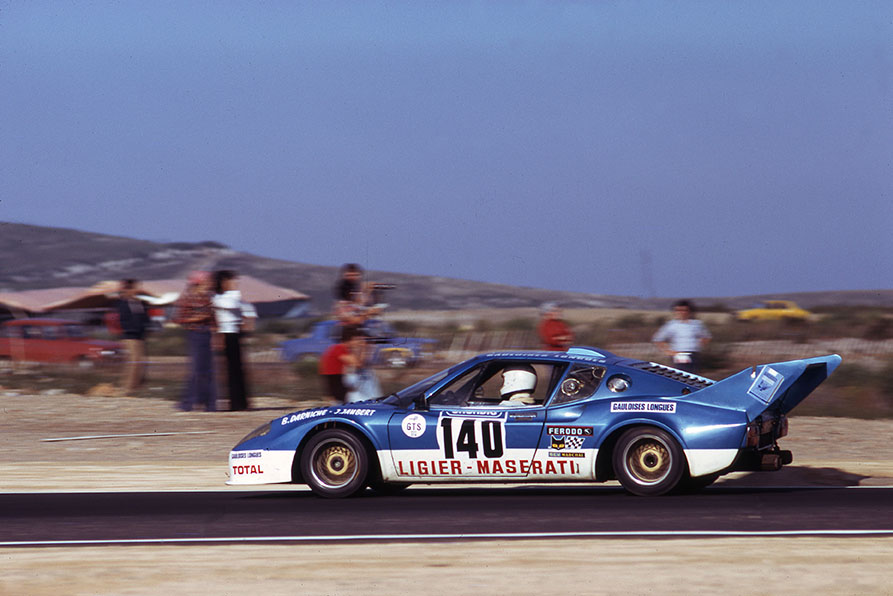
The presence of a Maserati engine in the Ligier JS2 RH2 echoes a defining chapter in Ligier's history. In the 1970s, the Ligier JS2, already powered by a Maserati engine, made its mark in competition, notably winning the Tour Auto 1974.
More than fifty years later, this technological lineage finds a new expression through hydrogen, illustrating Ligier Automotive's ability to evolve its heritage toward future technologies.
“Our current collaboration with Bosch Engineering and Maserati is part of a strong continuity for Ligier. Today, we are reinterpreting this heritage through a forward-looking technology, exploring the full potential of hydrogen applied to performance,” explains Jacques Nicolet, President of Ligier Automotive.
A Demonstrator Proven in Real-World Conditions
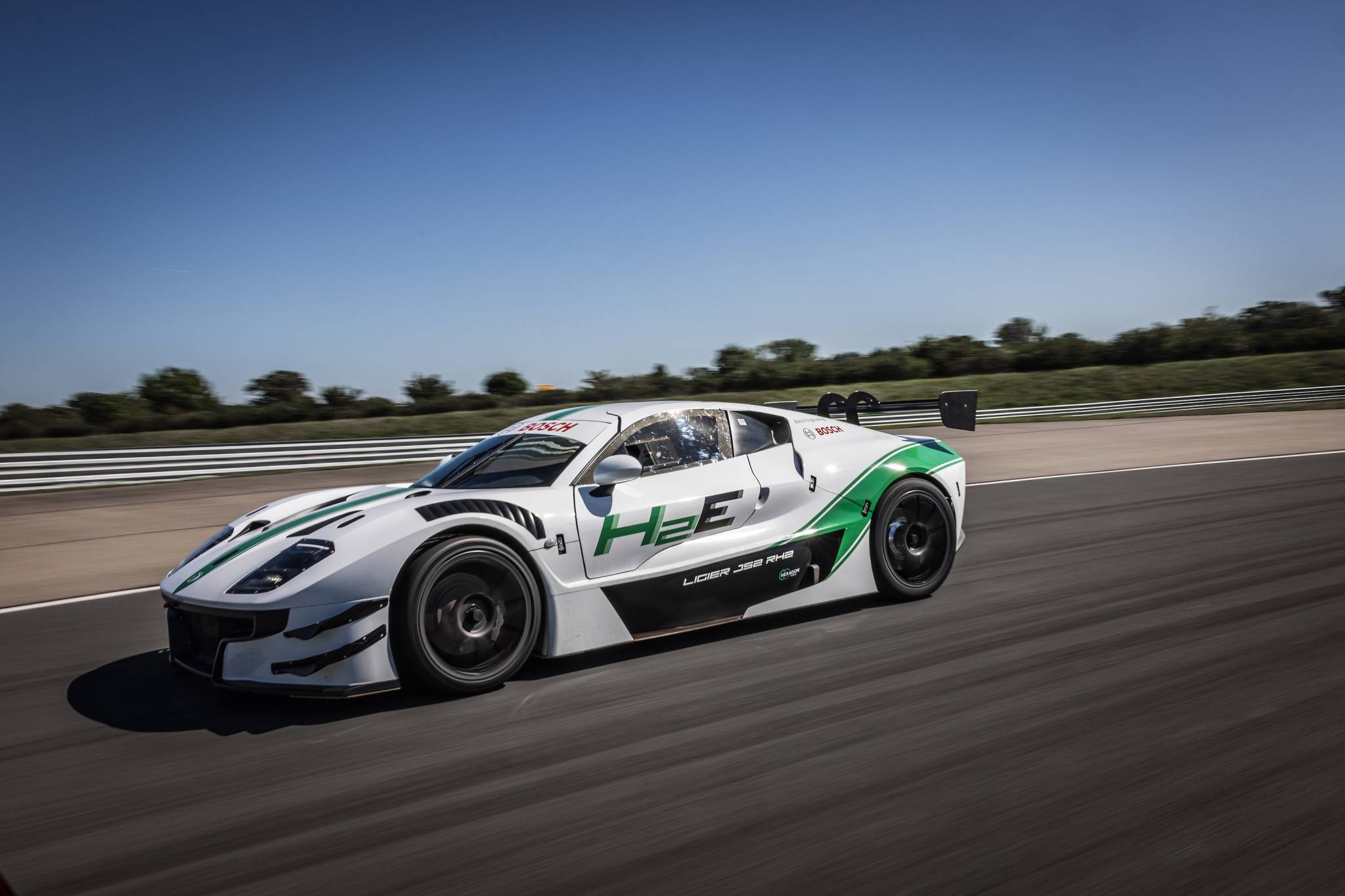
First unveiled at Le Mans in 2023, the Ligier JS2 RH2 has completed more than 7,000 kilometers of testing under a wide range of conditions — heat, cold, rain, and snow — demonstrating the robustness and maturity of its technology.
The developments carried out jointly by Ligier Automotive and Bosch Engineering have enabled continuous performance improvements, particularly in increasing torque and power while further reducing emissions.
As in previous years, the car will be displayed in the Hydrogen Village and will complete two demonstration laps on Saturday, prior to the start of the 24 Hours of Le Mans.
A Vision Beyond Motorsport
Beyond its role as a demonstrator, the Ligier JS2 RH2 is part of a broader strategy aimed at developing hydrogen solutions for mobility.
In this context, Ligier Automotive is exploring the development of decarbonized track-day vehicles, combining hydrogen technologies, performance, and accessibility. These future platforms could build on the advancements achieved through the Ligier JS2 RH2 program, integrating both Maserati engine expertise and hydrogen systems developed with Bosch Engineering.
“The Ligier JS2 RH2 demonstrator allows us to open up concrete perspectives. In the long term, we aim to offer decarbonized track-day vehicles capable of delivering the same levels of performance and driving sensations, while integrating sustainable technologies,” adds Richard Tur CTO of Ligier Automotive.
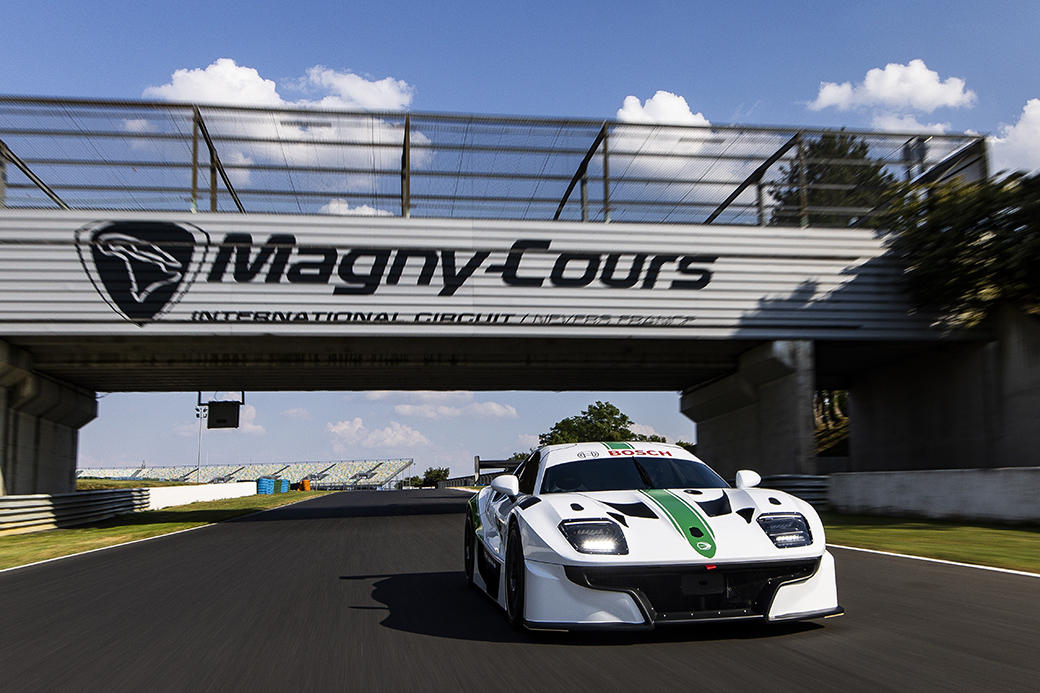
Photo credit : DPPI / Bosch
Check out the full video HERE.